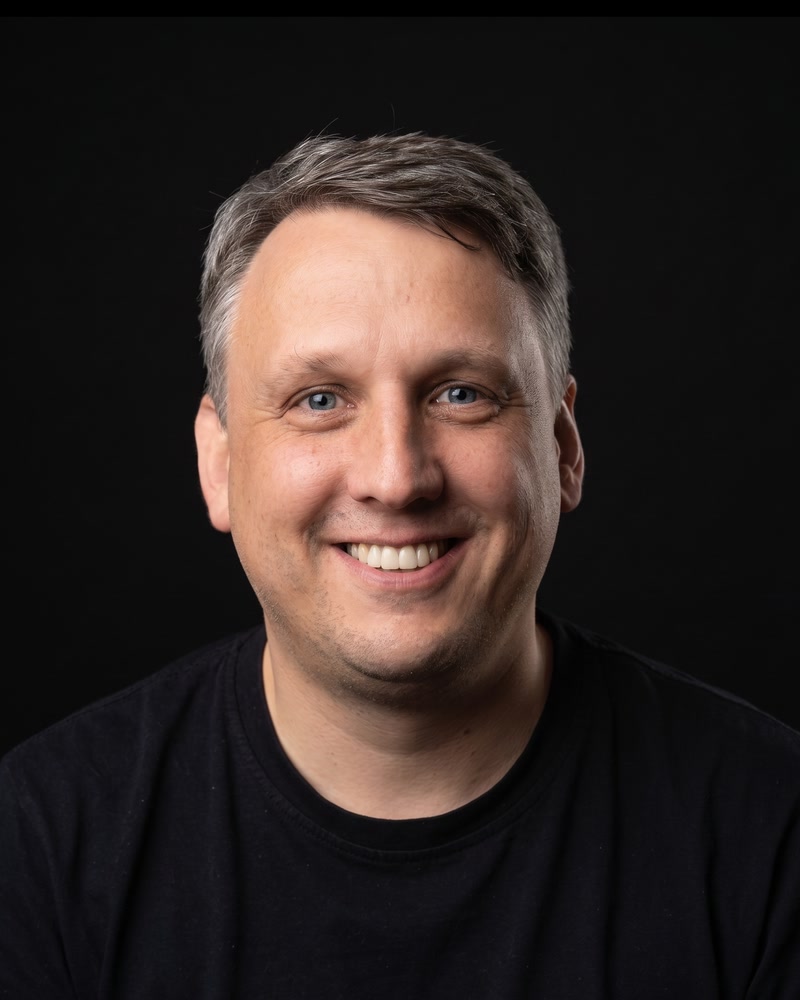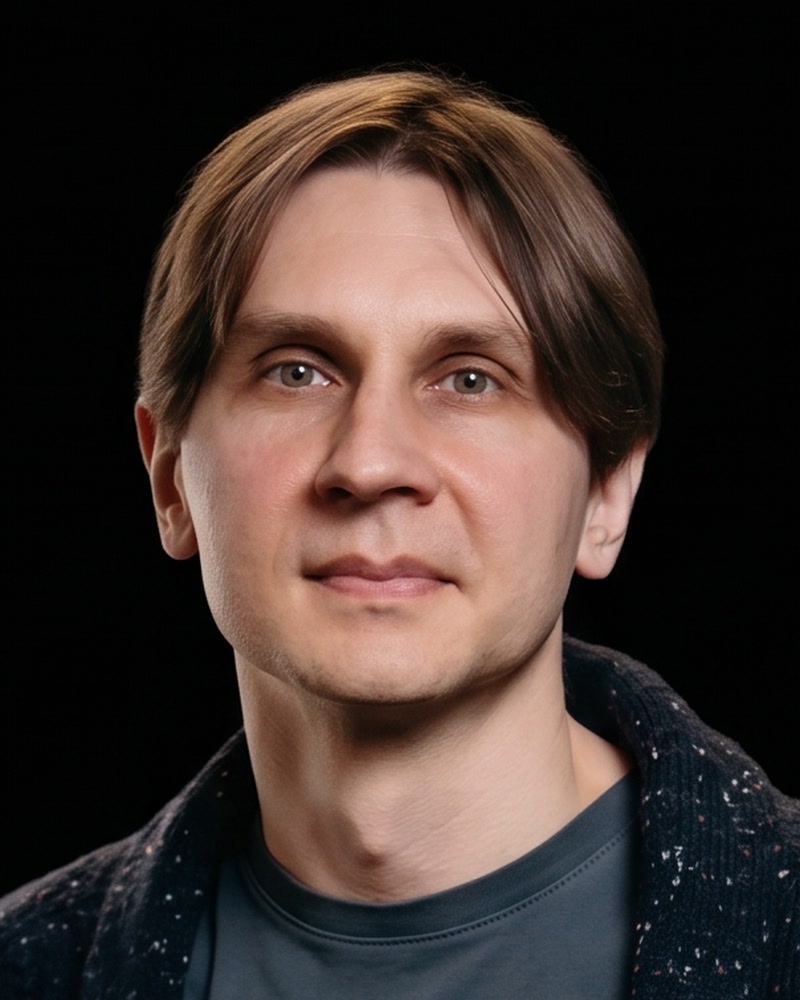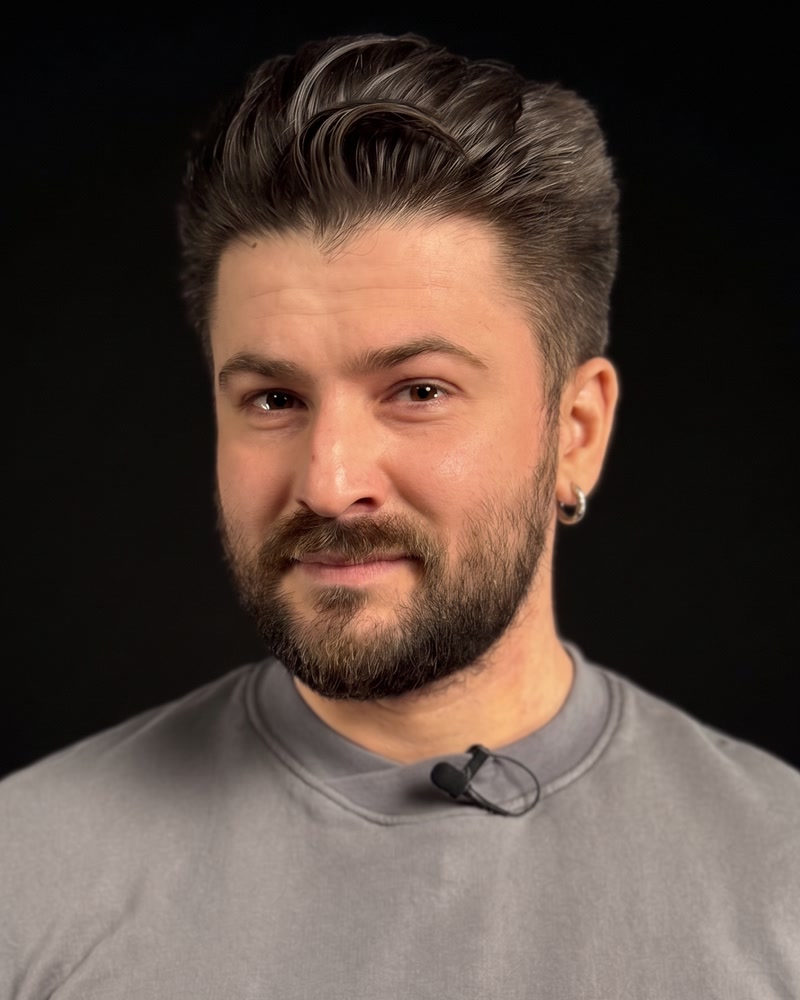
Sine Engineering
Drone communications and navigation infrastructure, battle-tested. Now in a Series A process with large investors in active diligence.
Pre-seed / seed · Components, not end-products · Ukraine & allies
Capital is rushing toward Ukrainian dual-use technology from the outside. We built, invested and lived through the cycle that produced it, long before the money arrived.
Funds of every size are active in Ukrainian dual-use now, most of them arriving once the category had a name. The gap is not who got here first, but who understands what they are looking at. It is a call we were making before the category existed.
Pre-seed and seed, with selective early Series A follow-on via reserves. That is the round the past four years’ companies reach as angel checks stop carrying them.
Ukraine-first, with roughly three-quarters of capital. The remainder is open to allied markets, whose defense budgets are now opening to suppliers based outside their own borders.
Underlying technology — components, sensing, compute, software — dual-use by nature: built for defense-grade conditions, transferable to adjacent commercial markets.
$250K initial; up to $500K for later-stage opportunities within the portfolio, plus reserves for follow-on.
Weapons and munitions, drones and other finished defense end-products, and anything without a credible path to customers beyond the Ukrainian market — whether through civilian dual-use applications or export to allied defense markets.
Drone communications and navigation infrastructure, battle-tested. Now in a Series A process with large investors in active diligence.
Operating as AURA. Vertically integrated autonomy stack — sensing, compute, software — for unmanned aerial, ground, and maritime systems.
Passive RF sensing and signal intelligence for detecting and locating radio-emitting objects, with commercial applications beyond defense.
Wild Field — the historical Ukrainian frontier: contested, ungoverned territory where survival depended on adaptability, not institutional backing. That is the environment our portfolio companies build in today.
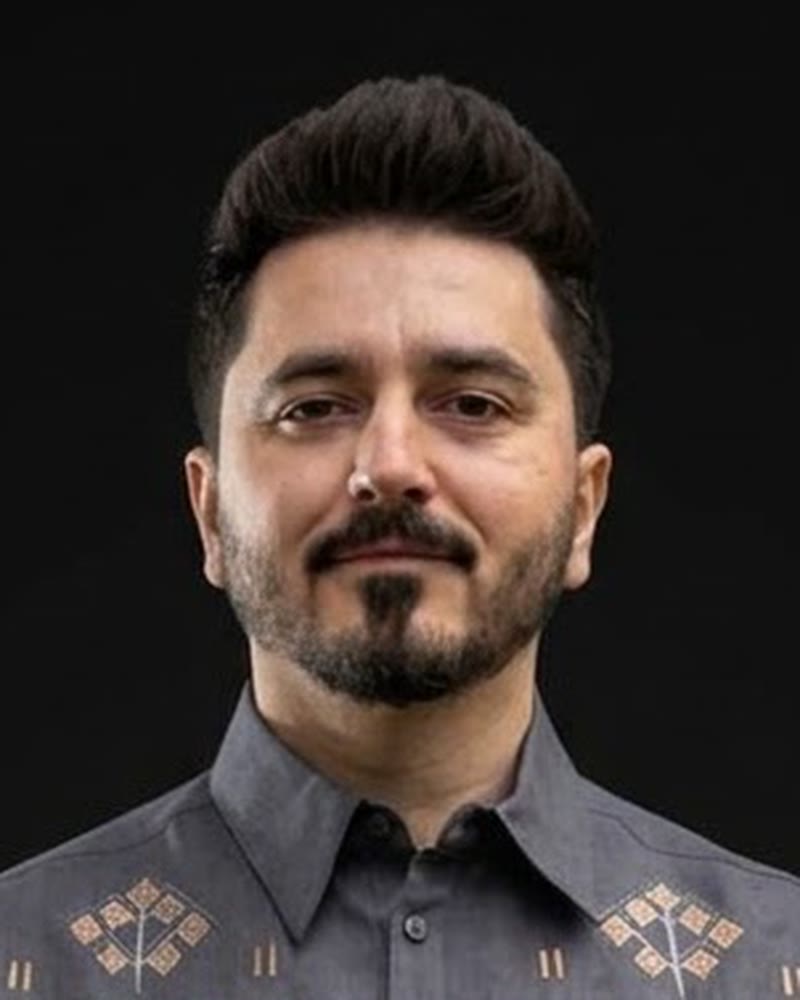
Defence-tech advisory, technical due diligence. Founder of Dark River; serial founder, RF/SDR tinkerer.
LinkedIn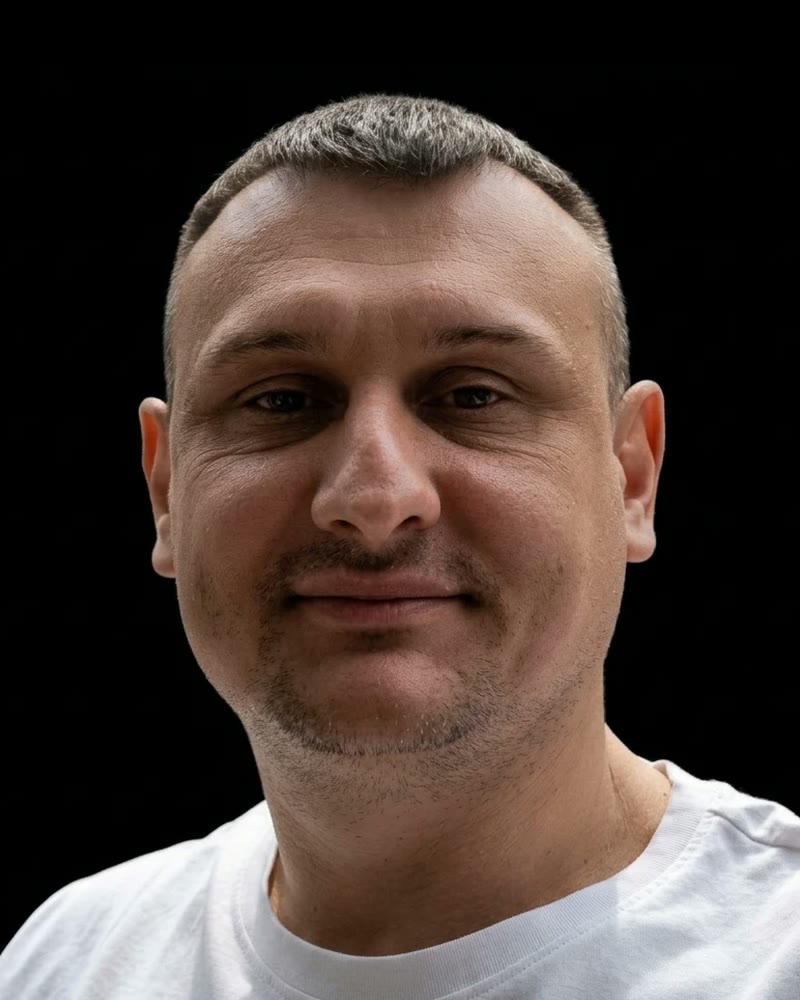
AI strategy, defence-tech advisory. Chief AI Officer at Dark River; founder of Serpstat.
LinkedIn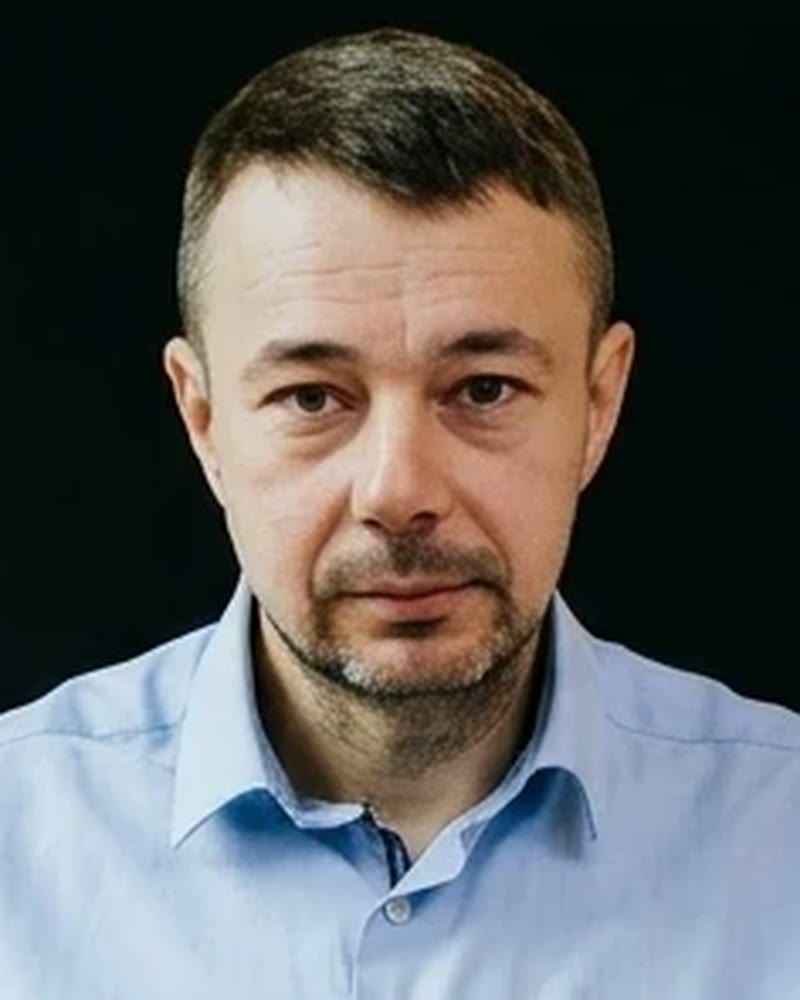
Co-founder and CEO of Sine Engineering. 20+ years in telecom, hardware and IoT; ex-co-founder of Movably.
LinkedIn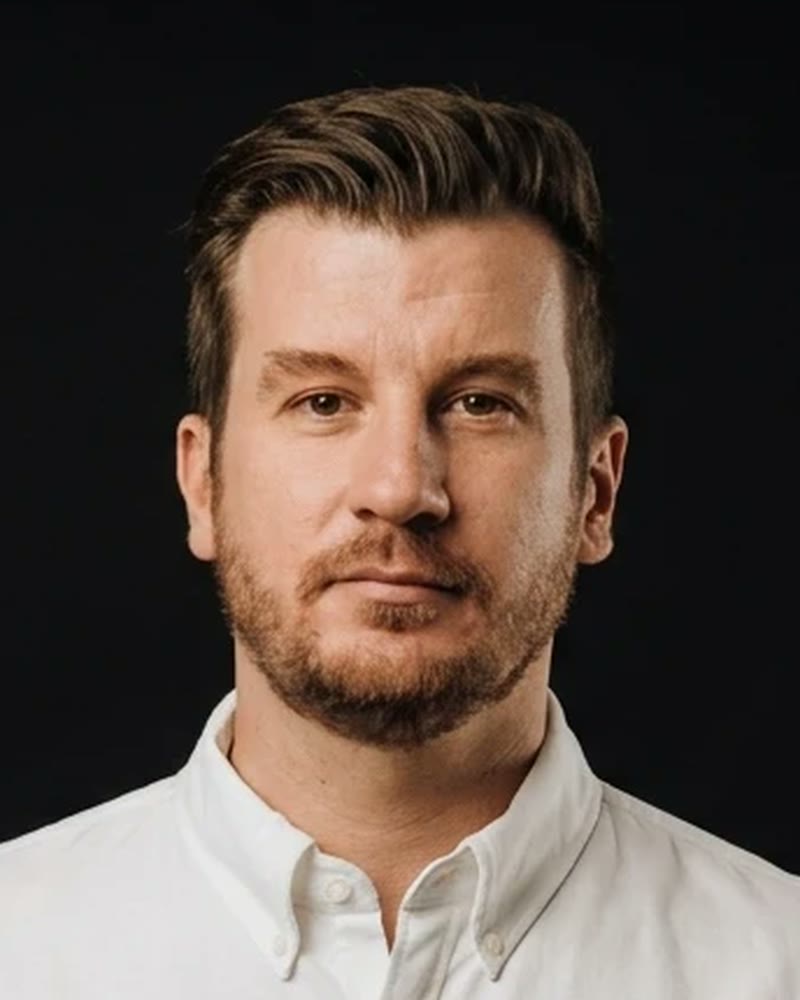
Chief Strategy Officer at Sine Engineering. Built and brought to market ecosystems scaled to millions of users (Fixly.pl, OLX.ua).
LinkedIn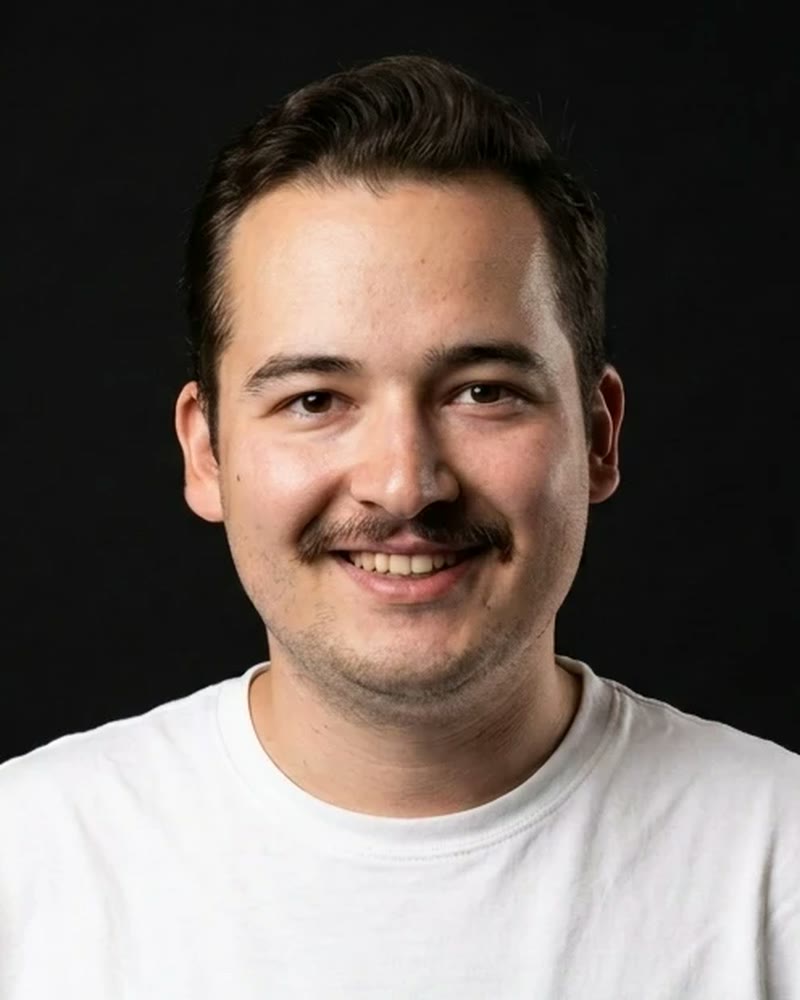
Co-founder and CEO of FoxFour. DARPA competition winner; publications at ICRA and in Robotics and Autonomous Systems.
LinkedInEverything below runs through the same technical bench: engineers and operators who assess dual-use hardware and software against real battlefield conditions. That is their day job. The list is short, and it is the whole list — there is no platform team behind it.
They look at the product itself before we invest: what it does, how it is built, whether it holds up where it is meant to be used.
Introductions to the people who operate this class of technology in the field, so product decisions are tested in use.
The same people stay reachable afterwards, for specific problems as they come up.
No. We write $250K, up to $500K at later stages, alongside a lead.
Yes. About 40% of the fund is held in reserve for it. The point of being early is to still be there when the rounds get larger and outside capital arrives.
No.
No. Cold email is read.
A week to the first reply. After that it depends on the technical review. We do not sit on decisions.
Yes. We back what goes into the platform, not the platform itself. The full line is under What we back.
A quarter of the fund is open to allied markets, provided the technology is the same class.
What the technology is, who uses it, and what stage you are raising at. If there is hardware, something of it working beats a slide describing it.